Crop Insurance
Crop Insurance Services
Protect Your Crops, Protect Your Revenue
|
|
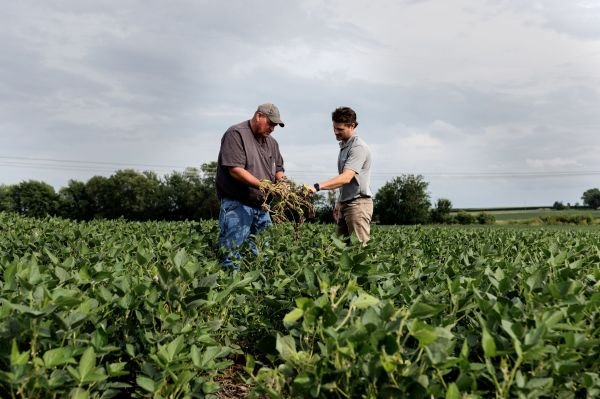
Crop insurance is one of the most important tools available to today's producers. Whether you're managing weather-related risks, yield uncertainty, or fluctuating commodity prices, the right crop insurance policy can help protect your operation and provide greater financial stability throughout the growing season. Advance Trading works with farmers to evaluate crop insurance options and identify coverage that aligns with their operation, acreage, and production goals. Our knowledgeable crop insurance specialists help simplify the decision-making process, ensuring you understand your coverage options and how they fit your farming operation. |
Contact Our Crop Insurance Team
Crop Insurance Coverage Options
Advance Trading offers federally supported crop insurance programs designed to help protect your operation from weather-related losses and revenue uncertainty. Whether you're growing row crops or managing grazing land, our team can help you determine which coverage best fits your operation.
Pasture, Rangeland & Forage (PRF) Insurance
Pasture, Rangeland & Forage (PRF) Insurance is a federally subsidized insurance program designed to help livestock producers manage the financial impact of reduced precipitation and rising feed costs.
Unlike traditional crop insurance, PRF is an area-based policy that measures rainfall within designated grid areas rather than individual production. Coverage is based on deviations from normal precipitation levels, and historical rainfall data is used to help optimize coverage periods based on your operation's needs.
PRF insurance can provide valuable financial protection when below-average rainfall affects pasture, rangeland, or forage production, helping producers better manage weather-related risk and maintain operational stability.
Multi-Peril Crop Insurance (MPCI)
|
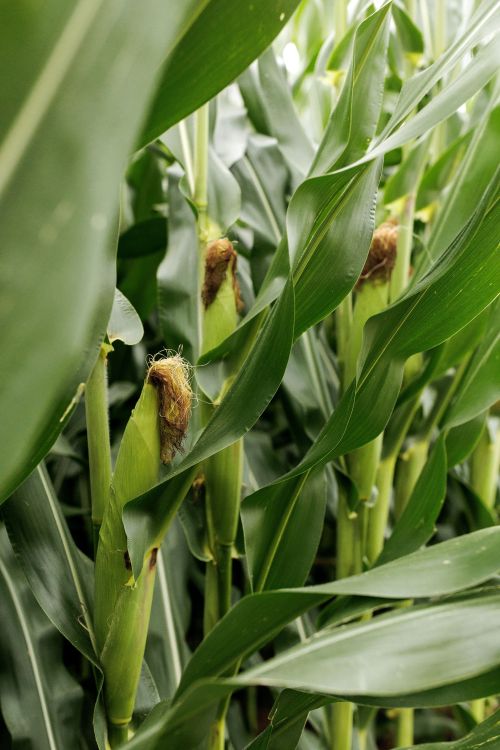
Multi-Peril Crop Insurance (MPCI) is a federally supported crop insurance program managed by the Federal Crop Insurance Corporation (FCIC) and the USDA Risk Management Agency (RMA). Policies are administered through Approved Insurance Providers (AIPs), with premiums subsidized by the federal government. Coverage options and pricing are standardized across all AIPs, ensuring consistent protection regardless of your provider. MPCI helps protect producers against yield losses caused by unavoidable natural events, including:
Losses may result from one or multiple qualifying causes. In addition to yield protection, many MPCI policies also include revenue protection, helping safeguard your operation when commodity prices decline. |
|
The Details of Multi-Peril Crop Insurance
Advance Trading's Crop Insurance Tools
At Advance Trading, we not only provide crop insurance, but we also give you the tools and insights to make informed decisions throughout the growing season. Our crop insurance technology helps you evaluate coverage options, monitor policy performance, and understand how your insurance fits into your overall farm strategy.
|
|
Our crop insurance tools allow you to:
|

How Does Crop Insurance Work?
Crop insurance is a federally regulated and subsidized program that helps protect farmers from financial losses caused by unexpected natural events. Policies are sold through private crop insurance agents and are designed to provide coverage when crop yields are reduced or lost due to qualifying natural causes. Common covered events include excess precipitation, drought, insect damage, plant disease, hail, wind, flooding, frost, wildlife, tornadoes, and fire. Losses may result from a single covered event or a combination of multiple qualifying causes, helping producers reduce financial risk when unforeseen conditions impact crop production.